The BBC Is Writing Hundreds Of Articles On Iran’s Alleged Nuclear Programme While Failing To…
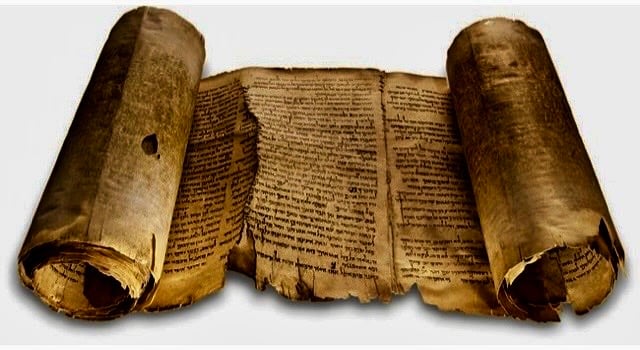
Lost and Forgotten Gospels.
For nearly two thousand years, the Christian Bible has shaped faith, culture, morality, and the way many people understand the world. Yet the Bible as we know it is only a selection of the writings produced by early Christian communities. Countless other gospels, letters, acts and teachings circulated during the first few centuries. Some were cherished, some debated, and others rejected or forgotten altogether.
These “lost” or “non-canonical” writings do not all present history in the modern sense. Some contain mystical teachings, others reflect local traditions, while a few appear to be spiritual reflections inspired by Jesus rather than eyewitness accounts. Nevertheless, they offer an invaluable glimpse into the wide variety of beliefs and discussions taking place between the first and fourth centuries.
Early Christianity was not a single, unified movement. Communities across the Mediterranean developed their own teachings, emphasised different traditions, and preserved their own stories about Jesus and the apostles. As the Church grew, leaders sought to define which texts carried consistent authority. The result was the canon we have today, but many other writings continued to survive in libraries, monasteries, and desert caves.
This page explores fifteen of the most discussed non-canonical Christian writings that were not included in the Bible.
Each post provides a clear overview: who likely wrote the text, what it teaches, any connection it claims to Jesus or the apostles, and the most likely reasons why it was not included in the Bible. It avoids speculation and sensationalism, focusing instead on historical context, what scholars broadly agree on, and what the texts actually say.
The Gospel of Thomas.
Approx. Date: Early to mid-2nd century.
Probable Author: Traditionally attributed to Thomas the Apostle, though likely written later by an early Christian community.
Type of Text: Collection of sayings (a “sayings gospel”).
The Gospel of Thomas is a collection of 114 sayings attributed to Jesus. Unlike the four canonical gospels, it contains no narrative, miracles, or story of Jesus’ life. Instead, it presents Jesus as a teacher of wisdom who emphasises self-knowledge, spiritual insight, and the discovery of the “kingdom” within.
Main Themes:
The divine light or truth within each person.
Self-discovery as the path to salvation.
A focus on personal understanding rather than authority or ritual.
Jesus as a revealer of hidden wisdom rather than a miracle-worker.
Connection to Jesus or the Apostles: The text claims to record “secret sayings” spoken by the living Jesus and written by
Didymos Judas Thomas (traditionally identified with the apostle Thomas). However, most scholars believe it was composed by an early Christian community rather than directly by the apostle himself.
Why It Was Not Included in the Bible:
Likely written later than the canonical gospels.
Lacks narrative structure and focuses on mystical, internal enlightenment.
Contains ideas associated with early Gnostic thought.
Did not meet the early Church’s criteria of apostolic authorship and doctrinal consistency.
The Gospel of Mary.
Approx. Date: Early to mid-2nd century.
Probable Author: Unknown; attributed to Mary Magdalene within the narrative.
Type of Text: Dialogue and teaching after Jesus’ resurrection.
The Gospel of Mary is a fragmentary early Christian text presenting Mary Magdalene as a leading disciple who receives private teachings from the risen Jesus. Much of the manuscript has been lost, but the surviving sections focus on inner peace, spiritual clarity, and the soul’s ascent after death. It challenges the idea that authority in the early Church belonged only to male disciples.
Main Themes:
Mary Magdalene as a teacher and spiritual leader.
Inner freedom and overcoming fear.
Salvation through understanding, rather than ritual.
Conflict between Mary and certain male disciples.
Connection to Jesus or the Apostles: The text presents Mary Magdalene as one of Jesus’ closest companions, who comforts and guides the other disciples after his departure. Peter questions her authority, while Levi defends her, suggesting that early Christian communities debated Mary’s leadership and role. There is no evidence Mary herself wrote the text.
Why It Was Not Included in the Bible:
Written too late to be considered apostolic.
Elevates Mary Magdalene above other disciples, conflicting with emerging Church hierarchy.
Contains ideas associated with early Gnostic spirituality.
Large portions missing, limiting its use as a stable doctrinal source.
The Gospel of Philip.
Approx. Date: 2nd–3rd century.
Probable Author: Unknown; attributed symbolically to Philip the Apostle.
Type of Text: Teachings and reflections with a sacramental, mystical tone.
The Gospel of Philip is not a gospel in the narrative sense but a collection of sayings, interpretations, and reflections about the nature of the world, the soul, and spiritual union with Christ. It is best known for passages highlighting Mary Magdalene’s closeness to Jesus and symbolic readings of Christian sacraments.
Main Themes:
Spiritual union with Christ.
Symbolic and mystical interpretation of sacraments.
The “bridal chamber” as a metaphor for spiritual rebirth.
Light and knowledge overcoming ignorance
Connection to Jesus or the Apostles: Although named after Philip, there is no reason to believe he authored it. The text comes from a later community influenced by Gnostic ideas and uses the apostles mainly as symbolic figures.
Why It Was Not Included in the Bible:
Written much later than apostolic times.
Strong Gnostic elements incompatible with emerging Church doctrine.
Lacks a historical narrative.
Used mainly within a small, specialised Christian group.
The Gospel of Peter.
Approx. Date: Late 1st–early 2nd century.
Probable Author: Unknown; attributed to Peter in the text.
Type of Text: Passion and resurrection narrative.
The Gospel of Peter gives an alternative account of Jesus’ trial, death, and resurrection.
It is notable for its dramatic and sometimes unusual descriptions, including a walking, talking cross and a resurrection scene far more spectacular than in the canonical gospels.
Main Themes:
A dramatically heightened resurrection narrative.
Clear blame placed on Herod and the Jewish authorities rather than Pilate.
Focus on the innocence of Jesus.
Connection to Jesus or the Apostles: Although attributed to Peter, early Church leaders quickly judged it inauthentic. Its vivid style and theological tone suggest a later writer, not an eyewitness.
Why It Was Not Included in the Bible:
Contains embellishments not found in earlier sources.
Judged too theologically extreme or sensational.
Rejected by early Church authorities such as Serapion of Antioch.
The Infancy Gospel of Thomas.
Approx. Date: Mid-2nd century.
Probable Author: Unknown; falsely attributed to the apostle Thomas.
Type of Text: Stories of Jesus’ childhood.
The Infancy Gospel of Thomas attempts to fill in the childhood years of Jesus. It includes miracles, lessons, and encounters with neighbours, sometimes portraying the young Jesus with extraordinary, and at times alarming, powers.
Main Themes:
Jesus as a child prodigy with divine power.
Stories explaining his later gentleness and wisdom.
Attempts to show his divinity from an early age.
Connection to Jesus or the Apostles: The text uses Thomas’ name for authority but was almost certainly written by someone else, long after the lifetime of the apostles.
Why It Was Not Included in the Bible:
Considered legendary rather than historical.
Several troubling stories inconsistent with Christian teaching.
Appears to expand upon gaps rather than preserve real tradition.
The Protoevangelium of James.
Approx. Date: Mid-2nd century.
Probable Author: Unknown; attributed to James, brother of Jesus.
Type of Text: Birth and childhood of Mary and Jesus.
This text focuses on Mary’s upbringing, her purity, the miraculous circumstances around her pregnancy, and the birth of Jesus. It is one of the earliest works emphasising Mary’s holiness and perpetual virginity.
Main Themes:
The holiness and purity of Mary.
Joseph as an elderly guardian rather than husband.
Miraculous signs surrounding Jesus’ birth.
Connection to Jesus or the Apostles: Though attributed to James, the style and content make genuine authorship unlikely. It reflects early Christian interest in Mary rather than eyewitness memory.
Why It Was Not Included in the Bible:
Composed too late to be apostolic.
Contains legendary material.
Accepted by some early Christians, rejected by others.
The Arabic Infancy Gospel.
Approx. Date: 5th–6th century (using earlier sources).
Probable Author: Unknown; not linked to any apostle.
Type of Text: Expanded stories of Jesus’ early childhood.
The Arabic Infancy Gospel is a later collection combining material from earlier infancy gospels, including the Infancy Gospel of Thomas and the Protoevangelium of James.
It offers a series of colourful tales about the young Jesus, Mary, and Joseph, often describing miraculous healings and wonders performed by the child Jesus.
Main Themes:
Jesus’ miraculous childhood abilities.
Mary’s purity and protection of Jesus.
Legends meant to inspire devotion.
Connection to Jesus or the Apostles: There is no historical link to apostles or eyewitnesses. It reflects devotional storytelling from much later Christian communities.
Why It Was Not Included in the Bible:
Written centuries after the New Testament.
Highly legendary, not historical.
Often theologically imaginative rather than doctrinal.
The Didache.
Approx. Date: Late 1st–early 2nd century.
Probable Author: Unknown; perhaps an early Christian community leader.
Type of Text: Church manual / early Christian teaching.
The Didache, meaning “Teaching”, is one of the earliest surviving Christian writings outside the New Testament. It provides practical instructions on Christian behaviour, baptism, worship, and church organisation. It is valued for offering a glimpse into everyday Christian life only decades after Jesus.
Main Themes:
The “Two Ways”: the way of life and the way of death.
Guidance on baptism, fasting, and prayer.
Early forms of Eucharistic thanksgiving prayers.
Instructions for travelling prophets and teachers.
Connection to Jesus or the Apostles: The text preserves early Christian traditions shortly after the apostles’ time. It is not written by an apostle but reflects early teachings that circulated among Christian groups.
Why It Was Not Included in the Bible:
Considered a church manual, not apostolic scripture.
Used widely but never claimed to be inspired in the same way as the gospels.
The early Church valued it but placed it among “useful” writings, not canonical ones.
The Shepherd of Hermas.
Approx. Date: Mid-2nd century.
Probable Author: Hermas, a Christian in Rome.
Type of Text: Visions, moral teachings, parables.
The Shepherd of Hermas was one of the most popular Christian texts in the 2nd and 3rd centuries. It tells of Hermas’ visions delivered by an angelic figure in the form of a shepherd. The work stresses repentance, moral living, and the need for the Church to remain pure.
Main Themes:
Repentance and moral renewal.
The Church as a tower being built stone by stone.
Divine instruction through visions.
Concern for Christian purity and discipline.
Connection to Jesus or the Apostles: The author was likely a Christian layman in Rome, possibly the brother of Pius I (a Roman bishop). It contains no direct apostolic testimony.
Why It Was Not Included in the Bible:
Highly respected but written too late to be apostolic.
Seen as useful for instruction, not divine revelation.
Visionary style considered unsuitable for canon.
The Apocalypse of Peter.
Approx. Date: Early 2nd century.
Probable Author: Unknown; attributed to Peter.
Type of Text: Vision of heaven and hell.
The Apocalypse of Peter gives vivid descriptions of the afterlife. It depicts rewards for the righteous and graphic punishments for sinners, contributing to early Christian ideas of heaven and hell. It was popular enough that some early churches considered including it in the New Testament.
Main Themes:
Judgement of souls.
Graphic depictions of punishment.
Mercy and ultimate hope for redemption.
Peter guided by Jesus through the afterlife.
Connection to Jesus or the Apostles: Although attributed to Peter, it is almost certainly pseudonymous. Its dramatic style suggests a later author using Peter’s name for authority.
Why It Was Not Included in the Bible:
Graphic descriptions seen as overly sensational.
Uncertainty about authorship.
Eventually overshadowed by the Revelation of John.
The Gospel of the Hebrews.
Approx. Date: Early 2nd century.
Probable Author: Unknown; used by early Jewish-Christian communities.
Type of Text: Collection of sayings and narratives.
The Gospel of the Hebrews was used by early Jewish-Christian groups, especially in Egypt and Palestine. Only fragments survive. It portrays Jesus in a way consistent with Jewish tradition while also emphasising spiritual wisdom.
Main Themes:
Jesus as the fulfilment of Jewish faith.
Emphasis on the Holy Spirit as a “motherly” figure.
Sayings emphasising spiritual rest and wisdom.
Connection to Jesus or the Apostles: Early Christians believed it preserved authentic traditions from the earliest Jewish followers of Jesus. It was respected but not considered apostolic.
Why It Was Not Included in the Bible:
Used only in certain Jewish-Christian groups, not the wider Church.
Survived only in fragments.
Some theological details disagreed with emerging doctrine.
The Gospel of the Ebionites.
Approx. Date: Early to mid-2nd century.
Probable Author: Unknown; linked to the Ebionite Jewish-Christian sect.
Type of Text: Harmonised gospel summary.
The Gospel of the Ebionites survives only in quotations from early Church writers.
It combined material from Matthew, Mark, and Luke, but removed references to Jesus’ virgin birth and emphasised his role as a human prophet chosen by God.
Main Themes:
Jesus as a righteous human teacher.
Importance of Mosaic Law.
Adoptionist theology (Jesus chosen at baptism).
Connection to Jesus or the Apostles: Associated with the Ebionites, an early Jewish-Christian group claiming continuity with Jesus’ original followers. However, the text shows later development and editing.
Why It Was Not Included in the Bible:
Contradicted the Church’s teaching on Jesus’ divinity.
Used only by a small sect.
Not believed to be apostolic in origin.
The Gospel of the Nazarenes.
Approx. Date: Early 2nd century.
Probable Author: Unknown; used by Nazarene Jewish-Christians.
Type of Text: Matthew-like gospel, now fragmentary.
The Gospel of the Nazarenes was closely related to the Gospel of Matthew, possibly an early Hebrew or Aramaic version. It preserved Jewish expressions and traditions that do not appear in the Greek New Testament.
Main Themes:
A Jewish-focused version of Jesus’ teachings.
Greater emphasis on the Law and Jewish customs.
Slight variations from the canonical Matthew.
Connection to Jesus or the Apostles: Some early Christians believed it preserved older traditions possibly linked to Matthew’s original audience. However, only fragments survive, mostly through quotations.
Why It Was Not Included in the Bible:
Used only in Jewish-Christian circles.
Never widely circulated.
Likely a variant of Matthew rather than an independent, apostolic source.
The Gospel of Judas.
Approx. Date: Mid-2nd century.
Probable Author: Unknown; written within a Gnostic community.
Type of Text: Dialogue between Jesus and Judas.
The Gospel of Judas presents Judas Iscariot not as a betrayer but as the only disciple who understood Jesus’ true mission. In this text, Jesus reveals secret cosmic knowledge to Judas and instructs him to hand him over to fulfil the divine plan.
Main Themes:
Judas as the enlightened disciple.
Rejection of the material world.
Complex Gnostic cosmology.
Critique of traditional apostolic authority.
Connection to Jesus or the Apostles: Despite its title, the work was written long after Judas’ lifetime. It reflects Gnostic theology rather than historical memory.
Why It Was Not Included in the Bible:
Strongly Gnostic in theology.
Contradicts the teaching of the early Church.
Written too late to be apostolic.
The Acts of Paul and Thecla
Approx. Date: Late 2nd century.
Probable Author: A follower of Paul (anonymous).
Type of Text: Adventure story of Paul and the female disciple Thecla.
The Acts of Paul and Thecla tells the story of Thecla, a young woman inspired by Paul’s teaching. She abandons her fiancé, survives miraculous dangers, and becomes a travelling preacher. The work highlights courage, chastity, and the role of women in early Christian mission.
Main Themes:
Female discipleship and spiritual authority.
Miraculous protection from danger.
Courage in the face of persecution.
Paul as a teacher of purity and devotion.
Connection to Jesus or the Apostles: Thecla and the vivid stories surrounding her have no historical link to Paul’s authentic writings. However, the text reflects how popular Paul became within early Christian storytelling.
Why It Was Not Included in the Bible:
Written as devotional fiction rather than history.
Authorship uncertain and later than the apostolic age.
Some themes (such as women baptising themselves) were controversial.
What the Lost Gospels Tell Us.
Exploring these early Christian writings reveals a world far more diverse than the single narrative often imagined today. The first centuries of the Christian movement were alive with discussion, debate, and interpretation. Believers asked questions about Jesus’ identity, the nature of salvation, the meaning of the resurrection, and how communities should live.
Some of the texts were devotional, offering prayers, teachings, and moral guidance. Others were visionary or symbolic. A few presented alternative memories or traditions about Jesus and his followers. Together, they remind us that early Christianity was a living, developing movement, not a finished product. They highlight how communities wrestled with faith, doubt and authority.
Although these writings were not included in the Bible, they remain part of the wider story of Christian history. They influenced art, theology, worship, and sometimes even the way biblical texts were interpreted. Reading them does not replace the New Testament, but it does enrich our understanding of the world in which it was formed.
The creation of the biblical canon was not a single moment but a long process.
The books that eventually became Scripture were preserved because communities found them spiritually reliable, consistent, and rooted in traditions associated with the apostles.
The writings left out of the canon still carry historical and cultural value.
They show the questions people were asking, the stories they treasured, and the ways they tried to explain their experiences of Jesus.
Related Posts



Comments (0)