A Recipe For Developing Food Allergy. Wet wipes could lead to babies developing potentially fatal…
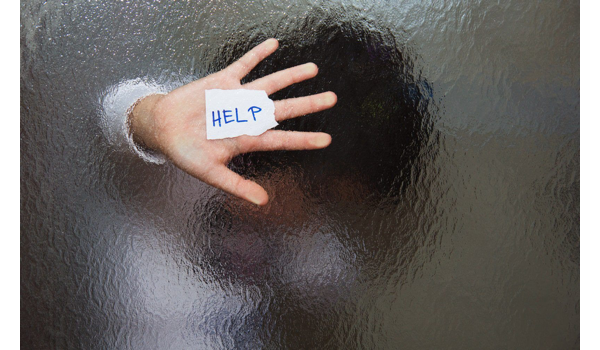
The Hidden Crisis: Why We Should Be Outraged And Ashamed.
Every few minutes a child somewhere in the world dies because of violence.
And that’s just the beginning.
Violence affecting children and teens is a serious global problem, it includes physical aggression such as hitting, beating, sexual abuse, or use of weapons.
According to recent global data from UNICEF and World Health Organisation (WHO), the scale of abuse, physical, emotional, sexual, neglect, against children is almost unimaginable.
-
Up to 1 billion children aged 2–17 worldwide suffer physical, sexual or emotional violence, or neglect, each year.
-
Around two-thirds of all children globally (some 1.6 billion) regularly endure violent punishment at home: physical punishment, shouting, name-calling.
-
Approximately 90 million children alive today report having been sexually abused.
-
For girls and women alive now: 1 in 5 (that’s 650 million) suffered sexual violence during childhood. Among those, more than 370 million experienced rape or sexual assault as children.
-
Boys and men are also victims: roughly 1 in 7 report having experienced sexual violence in childhood; many among them endured rape or assault.
These aren’t “just statistics.” They represent real children.
Children who will never get to laugh without fear, who may carry deep scars for the rest of their lives.
This Isn’t Some Distant Problem, It’s Happening Here, Right Now.
Around the world, too many children live in fear.
But even in countries we think of as “safe,” the numbers show a nightmare hidden in plain sight.
Below are facts from the UK and the U.S., the reality behind the headlines.
In the UK, The Persistence of Abuse, Even in “Normal” Lives.
-
Recent research by the Office for National Statistics (ONS) shows nearly 30% of adults in England and Wales say they suffered abuse (emotional, physical, sexual or neglect) during childhood. That’s roughly 13.6 million adults carrying scars from childhood.
-
Of those, emotional abuse is the most common (22.7%), then physical abuse (16.5%), sexual abuse (9.1%) and neglect (7.6%).
-
Abuse doesn’t only affect older children.
Babies and infants remain vulnerable.
A recent report found that around 48,000 babies each year are referred to social services in England because domestic abuse is involved. -
As of 2024, there are about 49,900 children on formal child-protection plans, roughly 1 in every 240 children, and in many cases the plan is triggered by neglect or emotional abuse.
That means abuse isn’t a rare tragedy.
It affects a large share of children, and leaves life-long damage.
In the United States, Numbers That Should Make Us Gasp.
-
In 2023, U.S. agencies reported 546,159 children as victims of confirmed abuse or neglect.
-
In that year, most of the abuse was neglect (the largest category), but many suffered physical abuse (tens of thousands) and sexual abuse (thousands).
-
Tragically, about 1,990 children died from abuse or neglect in 2022.
That’s nearly five children every single day. -
The youngest children, especially infants, face the most danger: babies under one year have the highest risk of fatal maltreatment.
-
In many cases, the abuser is the child’s own parent or caregiver, the very people meant to protect them.
-
Firearms are the leading cause of death for children in the U.S.
According to a study, 4,455 children were killed in incidents involving firearms in 2023, including murders, suicides, school shootings, and accidental injuries resulting in fatalities.
These Are Not Just Statistics.
These numbers are not abstract.
They stand for children, babies who never had a chance; teenagers silenced by shame, fear or neglect; people who carry invisible scars for life.
In the UK, nearly one adult in three carries scars from childhood abuse or neglect.
That suggests abuse is not some rare catastrophe, it’s far too common, deep-rooted, and has left a vast legacy of trauma across society.
In the U.S., over half a million children a year are confirmed victims, and roughly 2,000 children die annually from abuse or neglect.
Infants and toddlers are especially vulnerable.
The most common form of maltreatment in the U.S. is neglect (failure to provide basic needs, care or supervision), not just the “classic” image of physical or sexual abuse, showing how neglect can be just as harmful, often silently and invisibly.
In both countries, these statistics likely understate the real scale.
In the UK, many survivors may never report or formally record their abuse.
In the U.S., only reported/confirmed cases are counted; unreported suffering remains hidden.
Too many of those in authority, governments, institutions, community leaders, hide behind “well, we’re doing what we can” or “this happens elsewhere.”
But the data shows it happens everywhere. In our towns, our cities, our homes.
Abuse and neglect are systemic, not isolated.
No country, even wealthy ones, is immune.
The vulnerability of children, especially the youngest, demands serious attention.
Neglect (lack of care, supervision, support) is often the largest form of maltreatment, and perhaps the most societally ignored.
Nations must stop paying lip service, and start acting, with resources, with real policies, with accountability.
Because every injured child is a wound on all of us.
Whether you live in the UK or the U.S., or anywhere, this is a shared crisis.
And yet so much of it remains invisible.
If we value compassion, fairness and the future of our societies, we must do more than feel shocked or sad.
We must speak out, demand better protection for children, support those who have suffered, and acknowledge that neglect or emotional harm is as real and damaging as physical violence.
Because behind every number is a child.
A child whose safety, whose childhood, we decide to care about.
These are not “other people’s problems.”
They are our problems, if we’re human.
Speak up. Support organisations protecting children.
Offer help or solidarity where you can.
Be alert. Be kind. Believe when a child tries to trust you.
Because every child matters.
And every childhood stolen by abuse is a wound on humanity.
Shame on Us, And Those Who Could Help But Don’t.
What makes these numbers even worse is how often the violence is hidden.
Abuse often takes place at home, by people the child trusts, sometimes even by the people meant to protect them.
For many of these children, speaking out is terrifying.
And even fewer get help.
According to WHO, less than half of affected children tell anyone.
Fewer than 10% ever receive professional support.
Yet governments, communities, institutions, too many look away.
Policies stay weak; punishments are tolerated; silence is maintained.
Every day we fail to act, we allow this injustice to continue.
It’s not enough to condemn such violence in theory.
Real change requires will: political will, social will, moral will.
The damage goes far beyond childhood.
Survivors of abuse, physical, emotional or sexual, are much more likely to struggle with mental health issues, destructive behaviours, broken relationships, poor education or unstable lives.
In effect: every child abused today risks becoming an adult harmed, and possibly harming others.
The cycle of violence continues, generation after generation.
This isn’t some distant problem. It is our global shame.
It is a direct threat to the future of humanity, or at least the future of those children who never stood a chance.
It’s easy to look away.
To pretend the numbers don’t apply to “our part of the world.”
To say “someone else will fix it.”
But ignoring this problem, or downplaying it , makes us complicit.
We owe it to children.
We owe it to our collective humanity.
Because every child deserves a childhood free from fear.
If we truly value kindness, dignity and justice, then we cannot remain silent.
A related article that all parents should read:
“Violence among Children & Teens: The Most Important Stats and Facts in 2025”.
( Maria Fernanda Rincon, 22.09.2025 ) .. safetydetectives.com
Related Posts
Comments (0)